Language: Ladakhi, Hindi, Urdu, English
Currency: Indian Rupee (INR)
Religion: Buddhism, Islam, Hinduism, and other faiths
Timezone: Indian Standard Time (IST, UTC+5:30)
From ancient Himalayan trade routes to a remarkable cultural destination
Leh-Ladakh is a breathtaking Himalayan region known for its ancient monasteries, dramatic mountain landscapes, and rich Tibetan Buddhist heritage. Historically, Ladakh played an important role in trade between India, Tibet, and Central Asia. Its location along ancient caravan routes helped shape a distinctive culture influenced by Himalayan and Tibetan traditions.
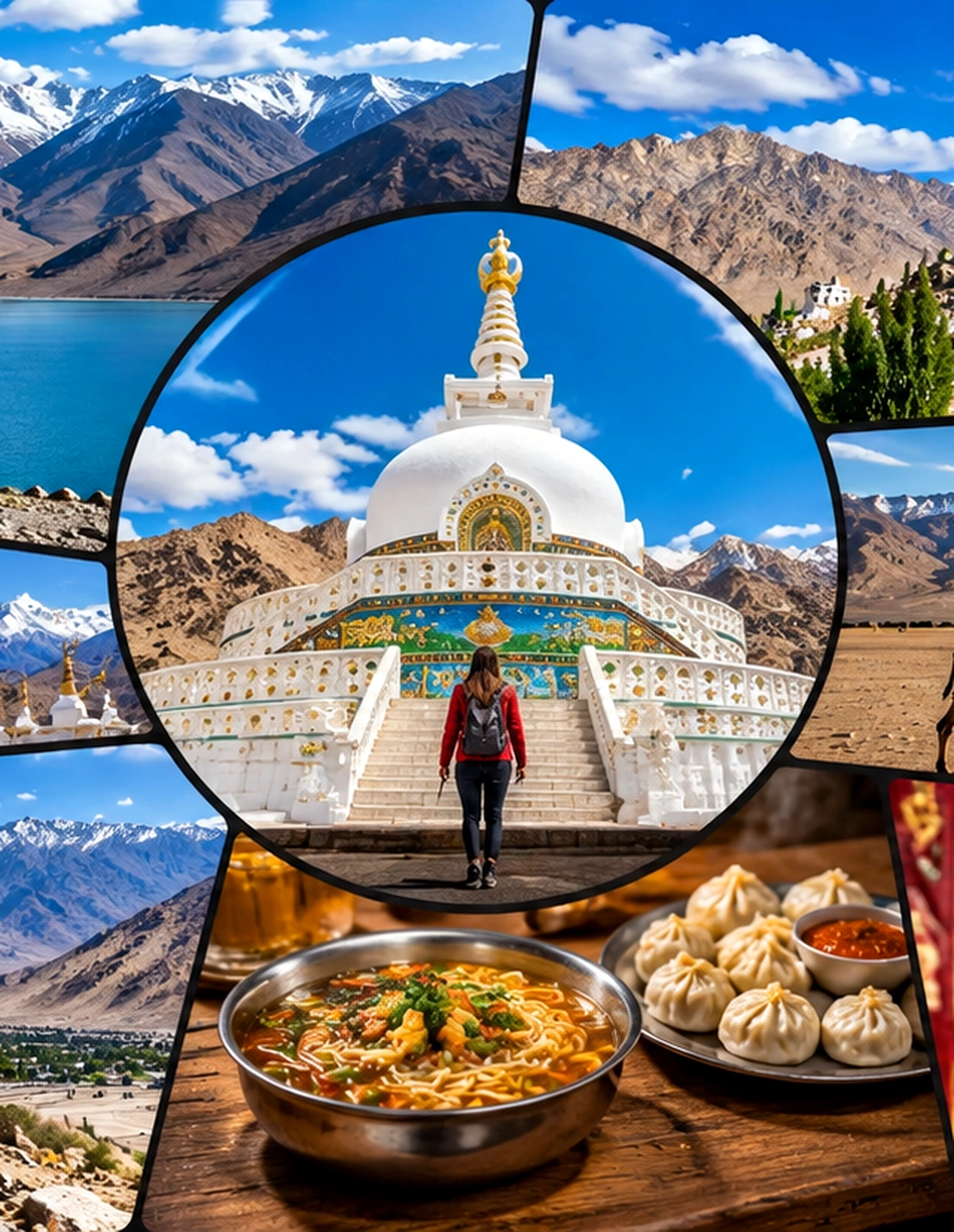
Today, Leh is home to remarkable historical landmarks, including Leh Palace, the ancient monasteries of Hemis, Thiksey, and Diskit, and the peaceful surroundings of Shanti Stupa. These architectural treasures reflect centuries of Buddhist heritage, traditional craftsmanship, and spiritual life in the mountains.
From the historic streets of Leh to remote villages surrounded by snow-capped peaks, Ladakh offers travelers a memorable journey through history, spirituality, and Himalayan culture.
Ladakh's cuisine reflects its high-altitude environment, Tibetan influences, and traditional mountain lifestyle. Popular dishes include thukpa, a warming noodle soup; momos, delicious steamed dumplings; skyu, a traditional pasta-based stew; and khambir, a local bread often served with butter tea.
Visitors can explore traditional Ladakhi kitchens, local cafés, and family-run restaurants to experience the region's authentic flavors. Apricot-based delicacies, barley dishes, and butter tea offer a glimpse into the food traditions that have sustained communities through the cold Himalayan winters.
Explore the available Leh-Ladakh tour packages on TravelWP, including mountain sightseeing, monastery visits, scenic road trips, and cultural experiences. Choose a tour that suits your interests and travel plans.
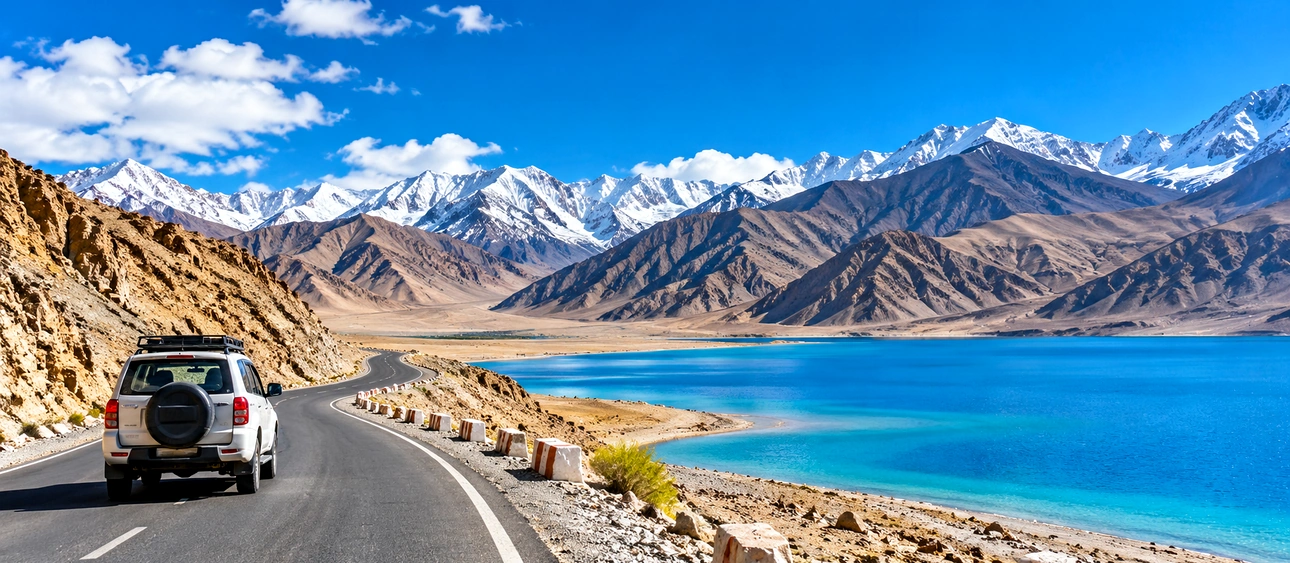
Experience the spectacular beauty of Ladakh through mountain drives, high-altitude lakes, scenic valleys, and adventure activities. Visit Pangong Tso, explore the dramatic landscapes of Nubra Valley, cross Khardung La when accessible, and discover the striking terrain around the confluence of the Indus and Zanskar rivers. Travelers can also enjoy trekking, photography, and visits to traditional mountain villages, depending on the season and local conditions.
Discover Ladakh's rich cultural heritage through traditional festivals, monastery ceremonies, local handicrafts, and warm village hospitality. Colorful prayer flags, centuries-old Buddhist monasteries, traditional Ladakhi homes, and regional celebrations offer visitors a deeper understanding of everyday life in the Himalayas.